

This Canadian spot is one of the most remote places on Earth — only 150 visit each year


If you’re having a bad day and just want to be left alone with some peace and quiet, we may have found the ultimate escape.
Located in Nunavut, Quttinirpaaq National Park is Canada’s northernmost national park, sitting on the northern end of Ellesmere Island and just 720 kilometres from the North Pole. This remote Arctic wilderness is where you can “get away from it all” in the most literal sense possible.
In fact, Quttinirpaaq (pronounced “koo-tin-ir-pa-ak”) recently landed on Condé Nast Traveler’s list of the most remote places on Earth you can actually visit.
Its name is Inuktitut for “at the top,” which feels pretty fitting considering its location. Parks Canada describes the landscape as one dominated by mountains, glaciers, and fjords.
Besides extreme isolation, depending on what time of year you visit, you can also experience the Midnight Sun and the beauty of the polar desert.
“Few visitors make it here, but those who do find a landscape that feels infinite,” writes Condé Nast Traveler.
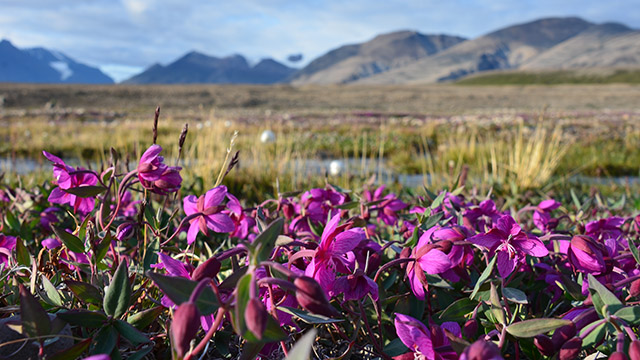
Parks Canada
Sprawling across 37,775 square kilometres, Quttinirpaaq is Canada’s second-largest national park, behind Alberta’s Wood Buffalo National Park, which is described as “ larger than Denmark.”
Despite its enormous size, though, Parks Canada says the park only gets around 150 visitors every year, meaning you could go days without seeing someone else. You will, however, see your fair share of muskoxen and wolves.
Getting to Quttinirpaaq is no easy feat. You’ll first need to fly to Iqaluit, Nunavut, then continue on to Resolute Bay with Canadian North, an airline that offers regular service to Iqaluit from Ottawa, Montreal, and Yellowknife.
It’s a trip that can come with a hefty price tag, too, with October flights costing more than $2,300 from Toronto or $2,400 from Vancouver. From Resolute Bay, you’ll then hop aboard a small eight-seat plane to reach the park. Transportation can also be arranged through a licensed tour operator.
Parks Canada says visiting Quttinirpaaq National Park is “a once-in-a-lifetime opportunity,” and we can’t help but agree.